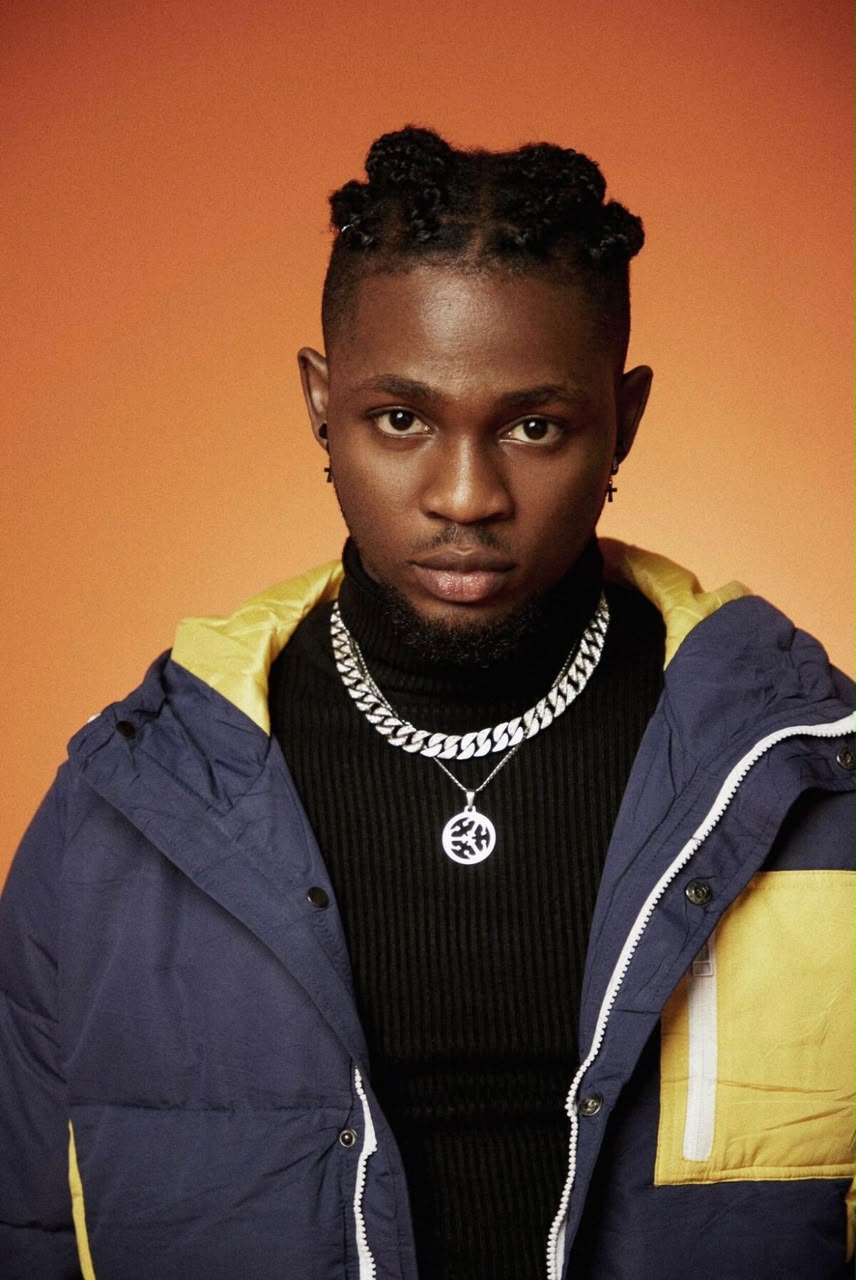
Omah Lay
Biography
Omah Lay Biography
Full Name
Stanley Omah Didia
Stage Name
Omah Lay
Date of Birth
May 19, 1997
Age
29 (as of 2026)
Country
Nigeria 🇳🇬
Hometown
Port Harcourt, Rivers State, Nigeria
Genre
Afrobeats, Afro-fusion, R&B
Occupation
Singer, Songwriter, Producer
Years Active
2019–Present
Record Label
KeyQaad
⸻
Early Life
Stanley Omah Didia, professionally known as Omah Lay, was born on May 19, 1997, in Port Harcourt, Rivers State, Nigeria. He comes from a musical family and began his career as a music producer before transitioning into singing and songwriting.
His unique voice and emotional songwriting quickly earned him recognition as one of Nigeria’s most talented young artists.
⸻
Career
Omah Lay rose to prominence in 2020 with his debut EP Get Layd, featuring hit songs like Bad Influence, Lo Lo, and You.
His success continued with the EP What Have We Done and his debut studio album Boy Alone, which included international hits such as Soso, Woman, and I’m A Mess.
He has collaborated with leading artists including Justin Bieber, 6LACK, Burna Boy, Tems, Rema, Victony, Ozuna, and Aitch.
Today, Omah Lay is regarded as one of the leading voices in modern Afrobeats.
⸻
Top Songs
* Soso
* Bad Influence
* Holy Ghost
* Moving
* Lo Lo
* Understand
* Woman
* Attention (feat. Justin Bieber)
* I’m A Mess
* Boy Alone
⸻
Albums & EPs
* Get Layd (EP)
* What Have We Done (EP)
* Boy Alone
* Clarity of Mind
⸻
Awards & Achievements
* 🏆 Headies Awards winner.
* 🏆 AFRIMA Awards winner.
* 🏆 MTV Africa Music Awards nominee.
* 🌍 Billions of streams across Spotify, Apple Music, Audiomack, Boomplay, and YouTube.
* 🌍 One of Africa’s most-streamed Afrobeats artists.
⸻
Musical Style
Omah Lay blends:
* Afrobeats
* Afro-fusion
* R&B
* Soul
His music often explores:
* Love
* Heartbreak
* Relationships
* Mental health
* Personal growth
* Life experiences
His emotional lyrics and soothing vocals have earned him a loyal global fan base.
⸻
Latest Releases
Omah Lay continues to release chart-topping music. His recent songs include:
* Holy Ghost
* Moving
* Reason
* My Dealer (feat. Fireboy DML)
* With You
He continues to perform at major festivals and concerts around the world.
⸻
Social Media
* Instagram: @omah_lay
* X (Twitter): @Omah_Lay
* Facebook: Omah Lay
⸻
Why Omah Lay Is Popular
Omah Lay is one of Africa’s most influential contemporary artists, known for his soulful voice, emotional songwriting, and unique Afro-fusion sound. His ability to connect with listeners through deeply personal lyrics has made him a standout figure in the global Afrobeats movement.



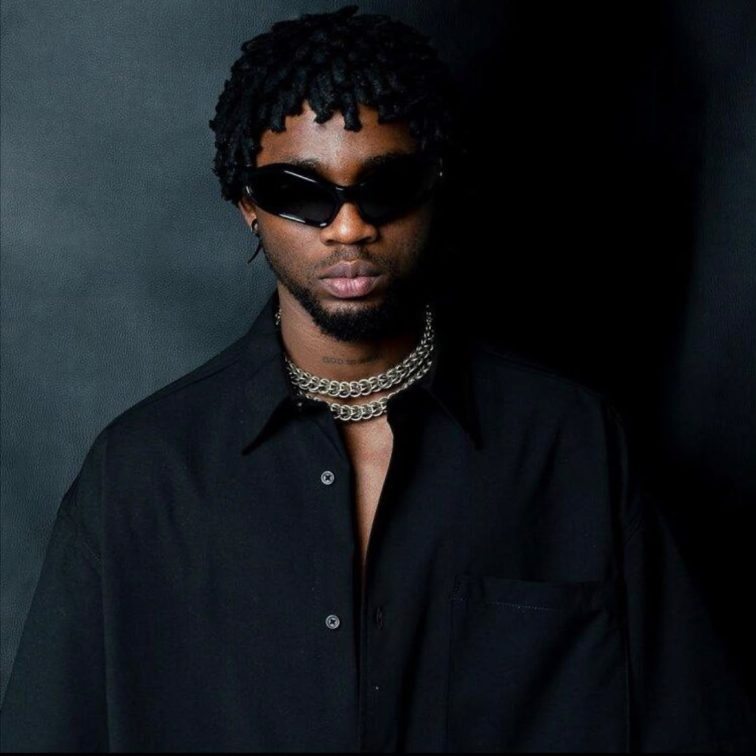
Photos

Social profiles
Booking contacts
Agency: KeyQaad