Lucky Dube
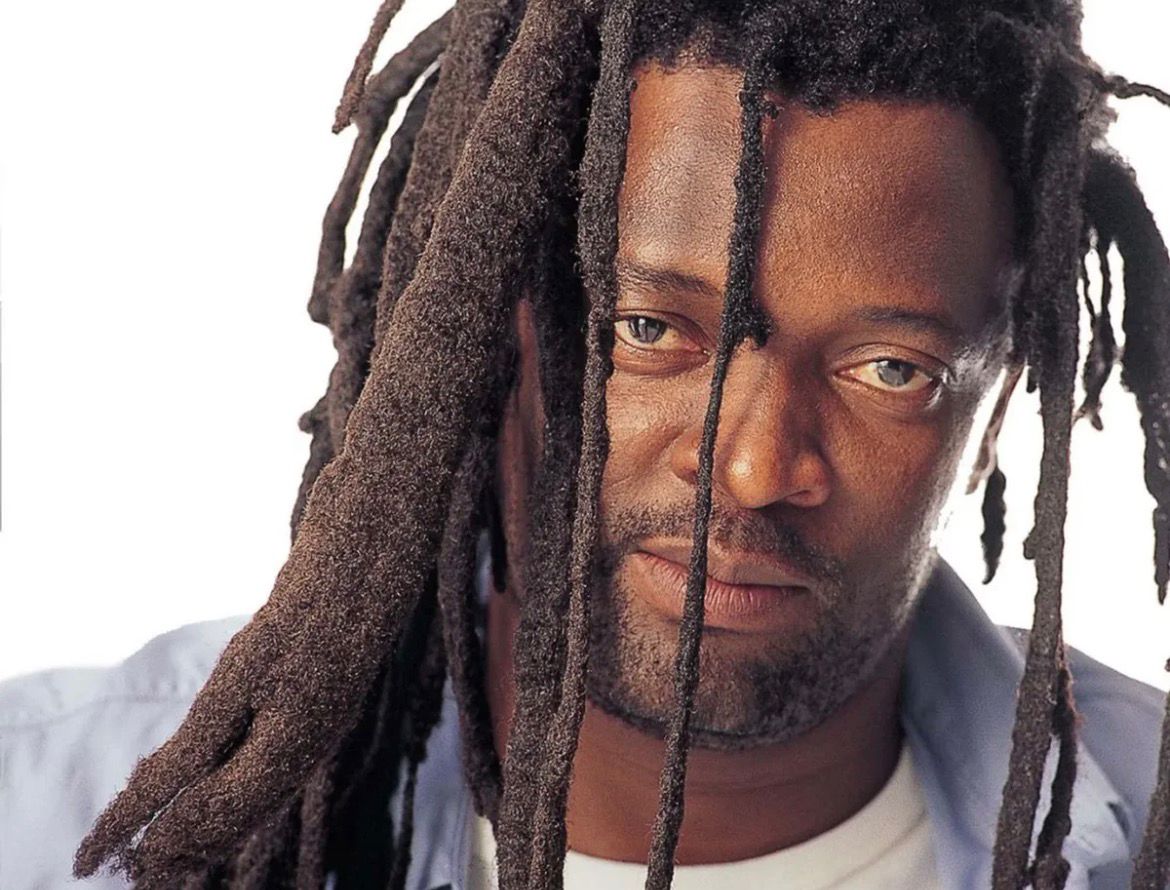
Biography
Lucky Dube Biography
Full Name
Lucky Philip Dube
Stage Name
Lucky Dube
Date of Birth
August 3, 1964
Died
October 18, 2007 (aged 43)
Country
South Africa 🇿🇦
Hometown
Ermelo, Mpumalanga, South Africa
Genre
Reggae, Mbaqanga
Occupation
Singer, Songwriter
Years Active
1982–2007
Record Labels
* Gallo Record Company
* Shanachie Records
⸻
Early Life
Lucky Philip Dube was born on August 3, 1964, in Ermelo, Mpumalanga, South Africa. He was raised by his mother and developed an interest in music while still in school.
He began his career performing Mbaqanga music before switching to reggae, inspired by artists such as Bob Marley and Peter Tosh. His decision transformed him into Africa’s most successful reggae musician.
⸻
Career
Lucky Dube rose to international fame through powerful songs that promoted peace, unity, freedom, equality, and social justice.
His music addressed issues such as racism, poverty, crime, and human rights, making him one of Africa’s most respected musicians.
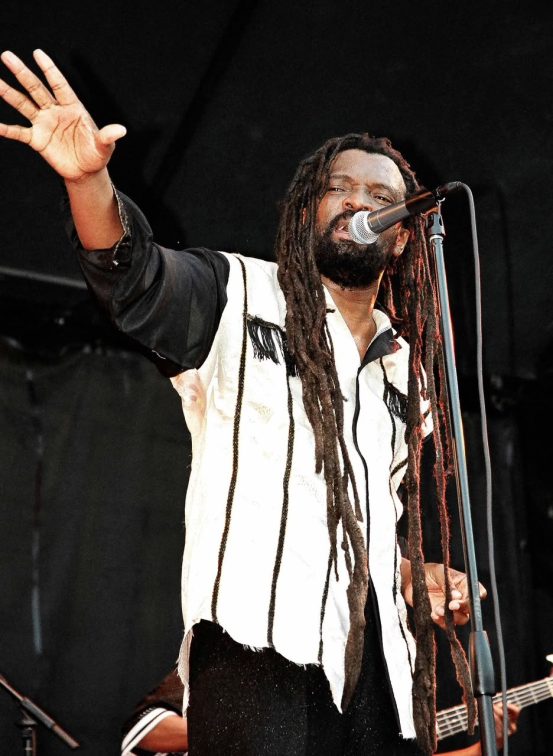
Throughout his career, he released more than 20 albums and performed across Africa, Europe, North America, Australia, and the Caribbean.
⸻
Top Songs
* Remember Me
* Prisoner
* Together As One
* Different Colours / One People
* Slave
* It’s Not Easy
* Respect
* House of Exile
* Crazy World
* Victims
⸻
Albums
* Prisoner (1989)
* Captured Live (1990)
* House of Exile (1991)
* Victims (1993)
* Trinity (1995)
* Taxman (1997)
* The Way It Is (1999)
* Soul Taker (2001)
* Respect (2006)
⸻
Awards & Achievements
* 🏆 Multiple South African Music Awards.
* 🌍 More than 25 million records sold worldwide.
* 🌍 Performed in over 25 countries.
* 👑 Widely regarded as Africa’s greatest reggae artist.
* 🎵 Continues to inspire reggae musicians around the world.
⸻
Musical Style
Lucky Dube blended:
* Reggae
* Mbaqanga
* African Roots Music
His songs often focused on:
* Peace
* Love
* Human rights
* Equality
* Faith
* Social justice
His meaningful lyrics and soulful voice made him a global reggae icon.
⸻
Legacy
Lucky Dube remains one of Africa’s most influential musicians. His songs continue to be played worldwide and inspire listeners with messages of hope, unity, and justice.
Although he passed away in 2007, his music continues to influence reggae artists and African musicians across generations.
⸻
Social Media
Official legacy accounts continue to celebrate his music:
* Facebook: Lucky Dube
* YouTube: Lucky Dube Official
⸻
Why Lucky Dube Is Popular
Lucky Dube is remembered as Africa’s greatest reggae musician because of his timeless songs, inspiring messages, and commitment to promoting peace and equality. His music transcended borders and remains relevant to audiences around the world.
Photos
Social profiles
Booking contacts
Agency: *Gallo Record Company * Shanachie Records